

Kebab Shops for sale in Canada
- American Restaurants1
- Bistros2
- Cafes12
- Catering Companies3
- Chicken Shops8
- Chinese Restaurants13
- Chinese Takeaways1
- Coffee Roasting Businesses1
- Coffee Shops9
- Creperie1
- Fast Food Restaurants19
- Fish & Chip Shops1
- Food Franchises4
- Indian Restaurants7
- Italian Restaurants6
- Mexican Restaurants4
- Other Food Service Businesses4
- Patisseries4
- Pizza Restaurants21
- Pizza Takeaways and Delivery Shops4
- Restaurants42
- Sandwich Shops4
- Seafood Restaurants2
- Smoothie Bars1
- Sushi Restaurants2
- Takeaways Businesses (Other)4
- Tea Room Businesses1
- Thai Restaurants5
- Turkish Restaurants1
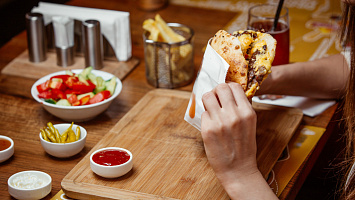 Mediterranean QSR Well-Established Franchise For Sale In OttawaOttawa, Ontario, CanadaView moreAsking price:CAD $449 000
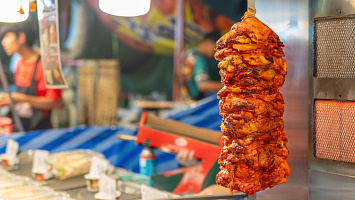 Recognized Thai QSR Franchises For SaleRegina, Saskatchewan, CanadaView moreAsking price:CAD $199 500
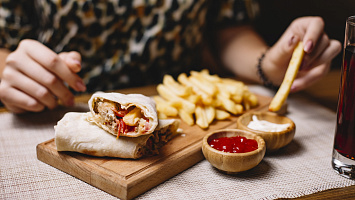 Turnkey Shawarma Restaurant In Calgary SW For SaleCalgary, Alberta, CanadaView moreAsking price:CAD $249 000
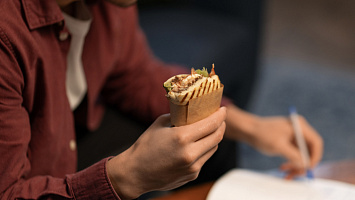 Profitable Shawarma Business In SW Calgary For SaleCalgary, Alberta, CanadaView moreAsking price:CAD $550 000
 Donair & Kebob In Food Court For SaleCoquitlam, British Columbia, CanadaView moreAsking price:CAD $168 000
Business for sale by regions of Canada

FAQ
- How should kebab meat sourcing be checked?Match supplier invoices, product labels and lot records to menu descriptions and any halal claims. Confirm meat comes from inspected sources and review substitutions, recalls, delivery temperatures and storage practices.
- What vertical-broiler controls should you observe?Watch loading, cooking, slicing, holding, cooling and end-of-day disposal through an actual shift. Review thermometer use, batch timing and written procedures, particularly when partially cooked cones are stored or reheated.
- Do late-night operations create additional risk?Verify permitted hours, liquor proximity, security procedures, incident logs and staff transportation. Review police, landlord and neighbour complaints, and confirm insurance covers the actual closing time, delivery activity and customer profile.
- Which extraction and grease issues should you investigate?Inspect broiler and fryer exhaust, duct cleaning, make-up air, fire suppression and grease interceptors. Check odour complaints, roof discharge rights and deferred maintenance that could force reduced cooking capacity or temporary closure.
- How can you verify meat yield and portion control?Compare cone weight, cooked yield, slice size and portions sold across several days. Reconcile meat purchases with point-of-sale data, staff meals, waste and closing stock, then test margins under supplier price increases.
- Are delivery bundles producing enough margin?Cost each kebab, platter and family bundle after meat, sides, packaging, discounts, commission and refunds. Compare direct and platform orders, and identify oversized portions or promotions that increase sales while reducing contribution.