

Bicycle Shops for sale in Canada
- Antiques Shops1
- Audio Visual Equipment Business1
- Bakeries7
- Bridal Wear Shops2
- Butcher Shops2
- Chemists / Pharmacies4
- Childrens Clothes Shops2
- Childrenswear Retail Businesses1
- Chocolate Shops2
- Clothes Shops5
- Computer Shops1
- Convenience Stores15
- Cosmetic Shops2
- Curtain and Blinds Retail Businesses14
- Delicatessen Businesses1
- DIY and Hardware Stores1
- Electrical Retail Businesses1
- Fashion Accessory Shops1
- Flooring Businesses10
- Florists8
- Furniture Shops7
- General Stores2
- Gift Shops3
- Health Food Shops3
- Heating and Plumbing Shops7
- Hobby Shops1
- Homeware Stores3
- Ice Cream Parlour Businesses2
- Jeweller Businesses2
- Juice Bars3
- Ladieswear Retail Businesses1
- Mobile Phone Shops1
- Motor Accessory Shops1
- Off Licences9
- Office Shops1
- Office Supplier Businesses2
- Other Retail Businesses2
- Pet Shops16
- Picture Framing Shops1
- Precision Tool Businesses2
- Retail Franchises1
- Second Hand Shops1
- Shoe Shops2
- Soft Furnishing Shops1
- Sports Shops5
- Supermarkets6
- Swimming Pool and Hot Tubs Spas1
- Tile Shops1
- Tobacconist Businesses3
- Vaping Shops10
- Video Game Stores1
- Wholesaler Businesses1
- Window and Conservatory Retail Businesses6
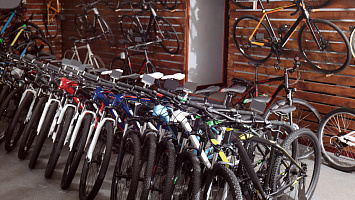 Longstanding Bicycle Shop In Fairfield For SaleVictoria, British Columbia, CanadaView moreAsking price:CAD $499 000
 Unique Bike Rental Business In Prince Edward County For SalePrince Edward County, Ontario, CanadaView moreAsking price:CAD $130 000
 Well Established Bike Shop In Laurentides For SaleLaurentians, Quebec, CanadaView moreAsking price:CAD $370 000
 Profitable Okanagan Bike Business – Online And Storefront For SaleCentral Okanagan, British Columbia, CanadaView moreAsking price:CAD $399 000
Business for sale by regions of Canada

FAQ
- How should bicycle inventory be valued?Count bikes and parts by model year, size, condition and ownership. Compare recent sell-through with current wholesale and clearance prices, then discount obsolete standards, damaged items and slow-moving sizes.
- Will the shop's bicycle brands remain available after closing?Review dealer agreements, territory protections, annual commitments, demo requirements and change-of-control clauses. Ask key suppliers to confirm continued authorization, ordering access, credit terms and warranty support under your ownership.
- How do you evaluate the repair workshop?Separate labour, parts and warranty work, then measure billed hours, technician productivity and seasonal backlog. Check tooling, service documentation and whether certified staff are required for supported brands or e-bike systems.
- What product-safety records should a bicycle shop maintain?Review supplier traceability, incident files, recalls and customer notifications for bikes, helmets, locks and accessories. Confirm in writing who handles outstanding warranty and recall work after the transaction closes.
- What extra risks come with e-bikes and lithium-ion batteries?Inspect sourcing, recognized safety standards, charging, storage, damaged-battery isolation and disposal procedures. Avoid valuing incompatible or modified battery packs that may create serious fire, warranty or product-liability exposure.
- How much working capital does a bicycle shop need?Model monthly cash using supplier deposits, preseason orders, payment terms, spring sales and winter service demand. Include markdowns and storage costs so peak inventory is financed through the slowest realistic season.